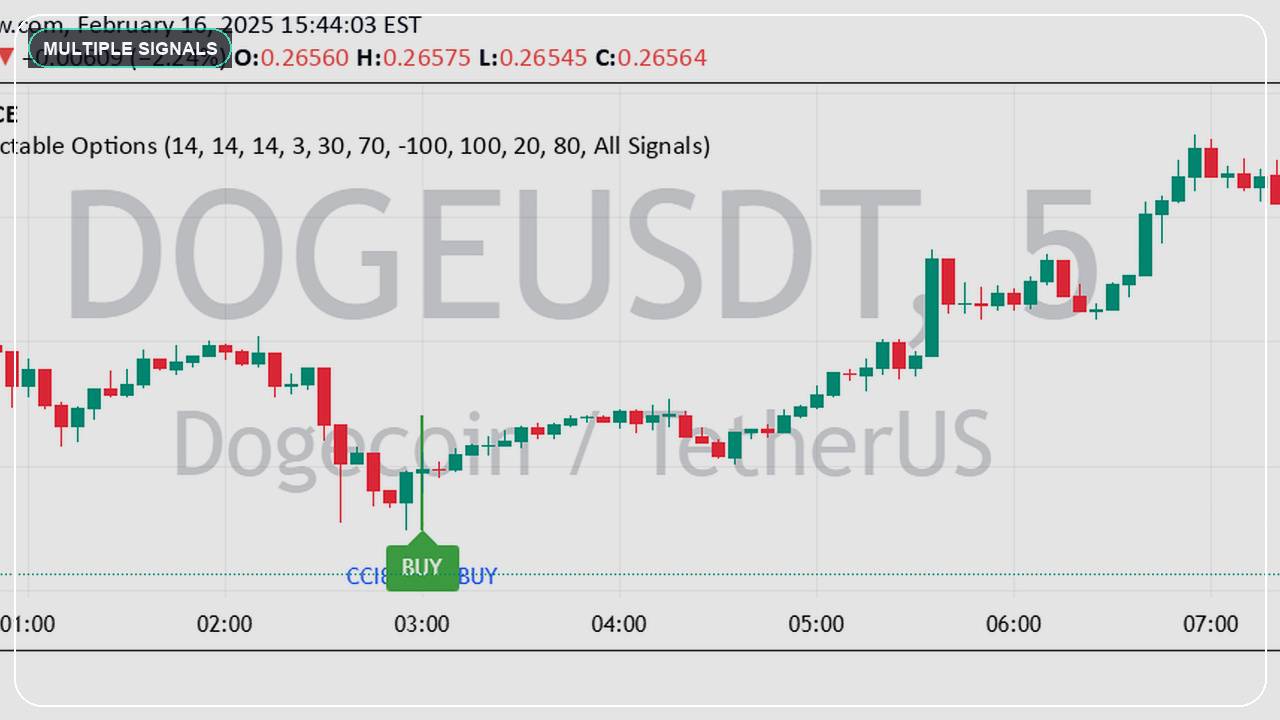
What multiple signal issues in Pine Script actually does
When traders complain about multiple signals in Pine Script, they usually mean the same long or short idea keeps firing repeatedly when it should have triggered once and then waited for a reset condition.
That matters because repeated signals break trust quickly. The chart begins to feel noisy, webhook payloads turn into duplicate events, and the trader can no longer tell whether the code is expressing conviction or just reacting to every tiny fluctuation around the same condition.
The reason this topic matters so much is that Pine Script usually feels simple until realtime behavior, confirmation, and live alerts expose the assumptions hidden inside the code. That is where a small parameter or declaration choice can completely change the outcome.
- Repeated signals are usually a state problem, not a syntax problem.
- Entry gating matters more than adding more indicators to the condition.
- Alert frequency can amplify weak state design into obvious duplication.
- The cleanest fix is usually clearer logic, not more complicated logic.
Where multiple signal issues in Pine Script usually goes wrong
The trap is trying to suppress repeated signals with a cosmetic patch while leaving the underlying state logic vague. If the script does not know when a setup is armed, triggered, and reset, the duplicates will keep coming back in a different form.
In practice, most problems here are not syntax problems. They are expectation problems. The code technically runs, but the trader expected one runtime behavior and the script delivered another. That is why this topic deserves design-time attention instead of being treated like a small implementation detail.
- Letting the entry condition remain true across multiple bars without a reset.
- Using alert frequency that keeps re-sending the same setup.
- Ignoring whether the script already has a position or active regime state.
- Trying to fix duplicates by hiding plot shapes instead of fixing the logic.
How to use multiple signal issues in Pine Script safely in live scripts
The safe pattern is to model signal lifecycle explicitly. Define when the setup becomes valid, when it is consumed, and what must happen before it can fire again. That almost always works better than adding random cooldowns without explanation.
The practical goal is not to make the chart look clever. The practical goal is to make the script behave the same way in live conditions as the trader expects from the finished code. That usually means explicit settings, conservative alerts, and enough instrumentation to debug what actually happened on the bar.
- Use explicit booleans or state flags to define whether a signal is available.
- Reset the signal only when the invalidation or next setup truly occurs.
- Tie alerts to the same state model the plots use.
- Log or visualize the armed-versus-fired state while debugging.
I fix repeated-entry and repeated-alert behaviour by tracing the actual state transitions in the script, not by hiding symptoms with cosmetic logic.
WhatsApp for a 3-minute quoteWhat to check before you trust the result
Before trusting a fix, make sure the script now has a clear armed state, trigger state, and reset state instead of one condition that is allowed to stay true for too long.
The strongest Pine Script work feels a little boring when it is correct. The alerts line up, the visuals tell the truth, and the backtest or runtime assumptions are explicit enough that you can explain them later. That boring clarity is what you want.
- Confirm the signal can only fire once per intended setup.
- Test both trending and choppy sections where duplicates usually appear.
- Check long and short logic separately so one side does not mask the other.
- Verify the webhook or alert payload now appears only at the intended event.
Send the chart idea, broker, market, and goal on WhatsApp. I can usually tell you quickly whether it needs a custom indicator, a strategy audit, an alert fix, or a broker-ready automation layer.
Related services
Frequently asked questions
Why does my Pine Script keep giving the same buy signal?
Usually the condition remains true across several bars and the script lacks a clean reset rule or state flag to block repeated firing.
Will bar-close alerts fix all multiple signal problems?
Not all of them, but bar-close alerting often reduces noisy repeats and makes the remaining state issues easier to diagnose.
Should I use a cooldown counter to fix repeated signals?
Only if a cooldown reflects the real strategy design. Otherwise it can hide a weaker state-model problem.
Can multiple signals create duplicate broker orders?
Yes. Weak signal gating often becomes duplicate webhook events unless the bridge has idempotency protections too.
Primary sources and references
I take on Pine Script indicators, TradingView automation layers, strategy audits, and broker-aware execution workflows when the goal is clear and the live behavior actually matters.