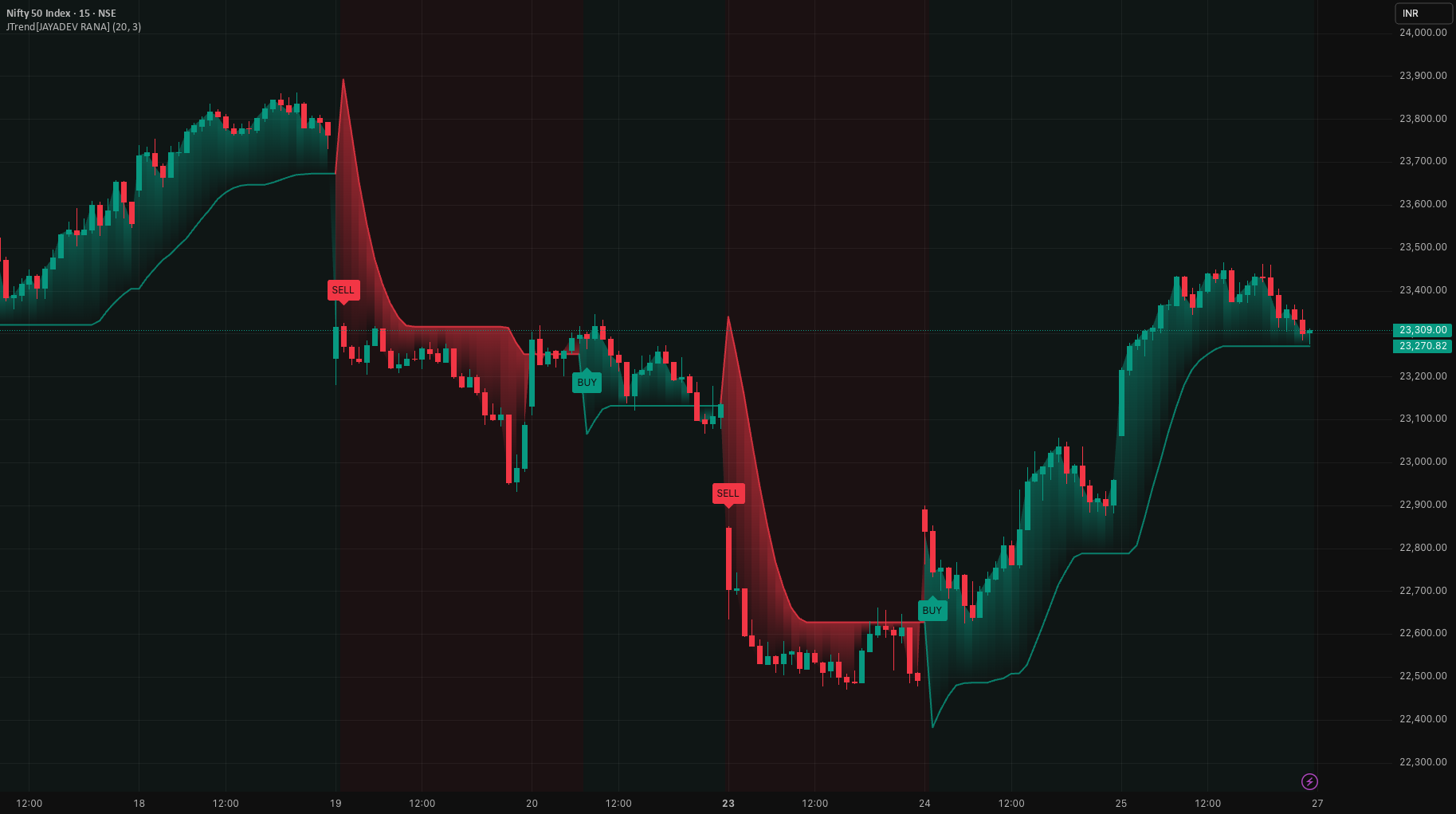
What makes a useful indicator build
A useful indicator should make decisions clearer, not noisier. That usually means fewer but better states, readable inputs, and alert logic that matches what the trader actually wants to act on.
- overlay indicators with cleaner visual logic
- oscillators or scoring tools for confirmation workflows
- structure, liquidity, trend, or session tools
- alert-ready indicators that can later feed automation
Public proof matters here
If you want to know whether the indicator thinking is strong, the best place to look is the Work section. That is where the public TradingView releases, explanations, and open-source contributions make the capability visible instead of hidden behind claims.
When indicator development turns into strategy work
Sometimes the goal starts as a visual indicator and later becomes a strategy, audit, or automation build. That transition should be designed early, especially if you care about non-repainting behavior or future alert routing.
Frequently asked questions
Can you build indicators from screenshots or rough ideas?
Yes, if the logic is clear enough to define states, confirmations, invalidation, and how the final tool should be used.
Do indicator projects support later automation?
Often yes, if the indicator is structured with alerts, clear state logic, and execution-aware planning from the start.
If you want to turn this topic into a real build or a clearer plan, send the setup on WhatsApp. You can also review the Work and Proof pages first if you want examples before you message.