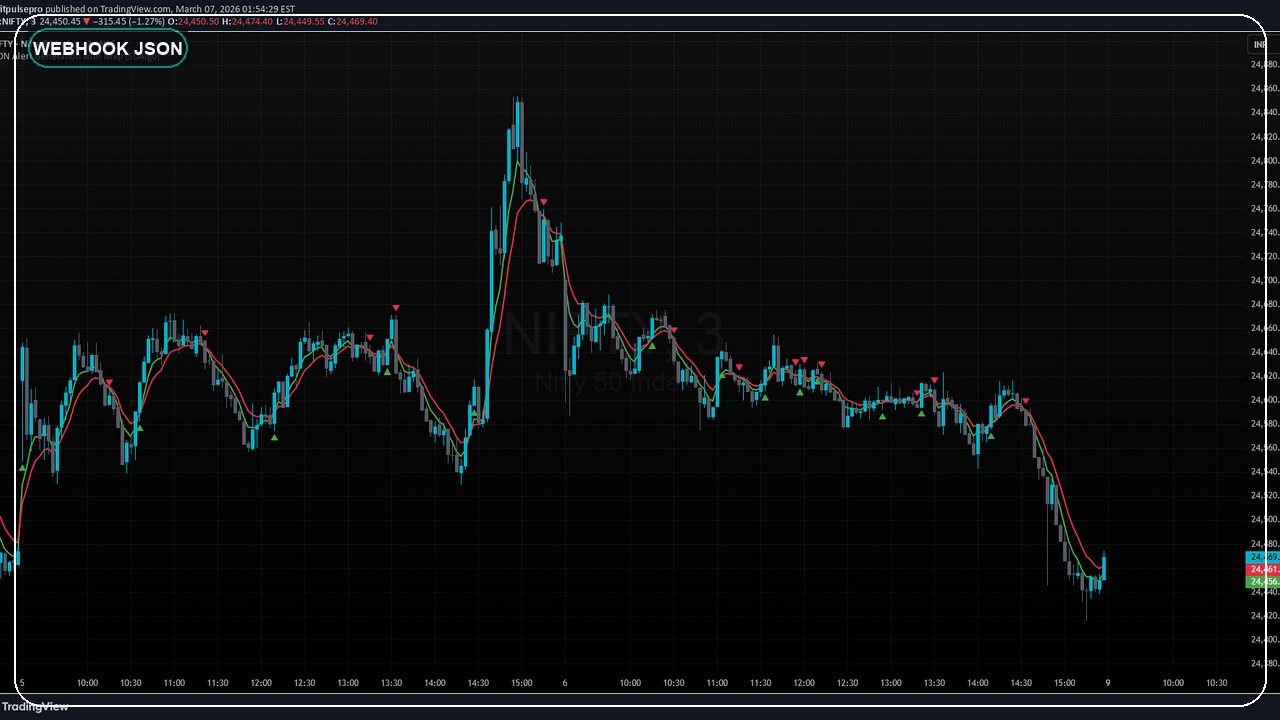
Step 1: turn the method into explicit rules
Before anyone codes, the trading method has to become a rule set. Entries, exits, invalidation, session rules, sizing assumptions, and edge cases all need plain-language clarity first.
Step 2: separate signal generation from execution
Good systems treat signal logic and order logic as different layers. TradingView may be the best place to express the signal, but a broker bridge or MT5 layer is usually the right place to decide whether the order is still valid.
- signal layer
- validation and risk layer
- execution layer
- monitoring and operator controls
Step 3: test the workflow you actually intend to run
The biggest trap is backtesting the chart logic while ignoring the execution path. A realistic test checks duplicate events, session filters, symbol mapping, order rejection behavior, and whether the strategy still makes sense after live routing.
The fastest path is to review the Work section, then send the manual rules and target broker on WhatsApp or through contact.
WhatsApp for a 3-minute quoteFrequently asked questions
Can every manual strategy be automated?
No. Some methods are too discretionary until the decision rules are made explicit.
What should be automated first?
Usually the signal and logging layers first, then execution only after the rule quality is clear.
References
If you want to turn this topic into a real build or a clearer plan, send the setup on WhatsApp. You can also review the Work and Proof pages first if you want examples before you message.