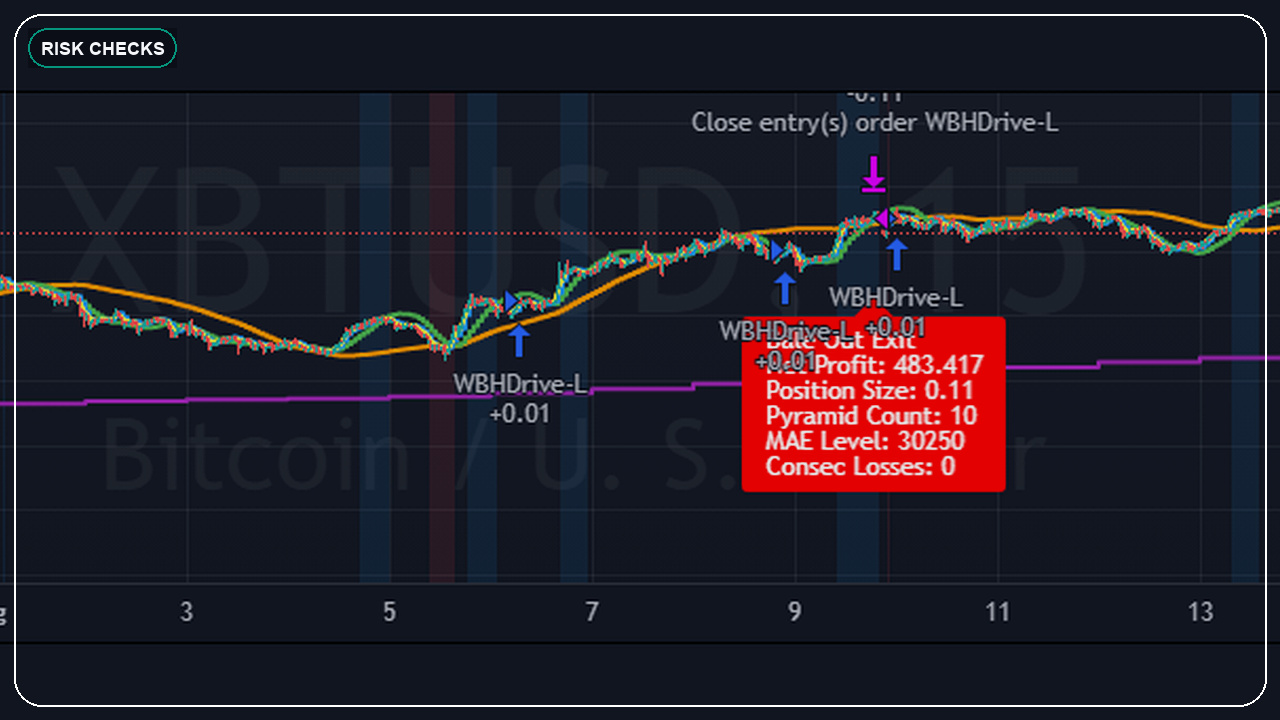
Why the validation layer matters so much
An alert is not an order. It is a message saying a chart condition happened. The execution layer still needs to decide whether that event should become a real broker action right now.
That distinction is where safer automation begins. Once you respect it, the system can reject duplicates, reject bad symbols, reject wrong-session trades, or reject actions that conflict with current position state.
The checks that prevent a lot of avoidable damage
The most useful checks are usually simple. Is the event a duplicate. Is the market or session valid. Does the symbol map correctly. Does the account or strategy already have a conflicting open state.
- duplicate-event protection
- session or trading-hours validation
- symbol and exchange validation
- position-state and intent validation
Why logs are part of the risk layer
A rejection is only useful if the system can explain it later. That is why logs matter so much. The bridge should tell you what alert arrived, what checks were applied, and why the event was accepted or rejected.
This is also what makes operator confidence possible. Without rejection logs, the system feels random under pressure.
What a serious bridge looks like in practice
The best bridge layers feel boring. They respond fast, validate carefully, reject clearly, and place orders only when the incoming alert matches the expected state of the system.
- acknowledge the webhook quickly
- validate before broker calls
- log accepted and rejected decisions
- keep a kill switch and manual override ready
Send the chart idea, broker, market, and goal on WhatsApp. I can usually tell you quickly whether it needs a custom indicator, a strategy audit, an alert fix, or a broker-ready automation layer.
Related services
Frequently asked questions
Why is an alert not the same as an order?
Because the alert only expresses signal intent. The bridge still needs to validate whether the order should be allowed and how it should be sent.
What risk check is skipped most often?
Duplicate-event protection is one of the most common missing protections, especially in first-time webhook stacks.
Should rejected alerts be logged?
Absolutely. Rejected alerts are often the most valuable evidence that the safety layer is doing its job.
Can a risk layer help even in semi-manual workflows?
Yes. Cleaner validation improves discipline and debugging even before full broker automation exists.
Primary sources and references
I take on Pine Script indicators, TradingView automation layers, strategy audits, and broker-aware execution workflows when the goal is clear and the live behavior actually matters.