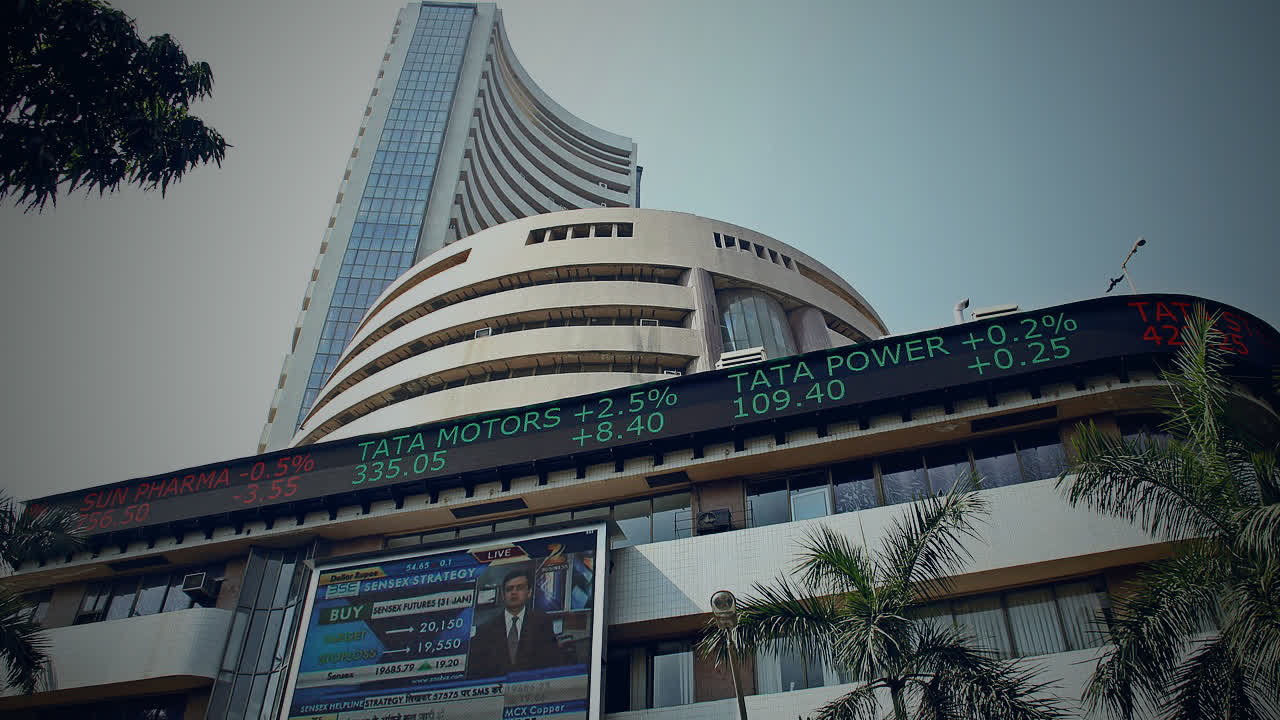
What algo trading means in India in 2026
Algo trading in India 2026 means using software rules to generate, route, or execute trades, but the important part is not the code itself. The important part is whether your system can be explained, monitored, and operated safely inside the broker and regulatory environment you actually trade in.
That is why the word “algo” causes confusion. For one trader, it means a TradingView alert and a manual order. For another, it means full API-driven execution. Both are on the same spectrum, but the tooling, failure points, and compliance expectations are different.
As of April 1, 2026, the SEBI retail algo framework is no longer just a future talking point. The September 30, 2025 SEBI circular explicitly said the framework, along with exchange implementation standards and operational modalities, would apply to all stock brokers from that date. So the right beginner mindset is not “how fast can I automate,” but “how cleanly can I build an explainable workflow.”
- Manual trading with a checklist is not the same as an algo workflow.
- TradingView alerts are useful, but alerts alone are not an execution system.
- Broker API access opens opportunity and risk at the same time.
- Logs, operator controls, and broker-aware design matter more than buzzwords.
The practical stack beginners should start with
Most beginners do not need a fully autonomous engine on day one. The sensible path is a three-layer stack: signal generation, execution control, and monitoring. TradingView often handles the first layer well. A bridge layer or app logic controls the second. Logs, dashboards, and alerts cover the third.
If you skip the middle layer and jump straight from chart alert to order execution, you lose the place where risk rules, duplicate checks, and market-session sanity should live. That is the exact shortcut that creates messy failures later.
Zerodha’s Kite Connect docs are useful here because they show the execution side is structured, authenticated, and stateful. It is not a magic tunnel from chart to trade. You need request discipline, session handling, and post-trade confirmation.
- Layer 1: chart logic, indicators, and alert conditions.
- Layer 2: payload validation, position rules, duplicate protection, and broker calls.
- Layer 3: order-status tracking, logs, alerts, and a manual kill switch.
If you are just beginning, start with alert-assisted execution and strong logs before you move to fully automatic order placement. That sequence saves money.
WhatsApp for a 3-minute quoteHow much capital and risk discipline make sense
A common beginner mistake is thinking algo trading becomes sensible only with huge capital. That is not true. What matters first is that your strategy has stable rules, your risk per trade is defined, and your automation cannot spiral because of a repeated alert or execution mismatch.
The capital question is really a risk-control question. Can you survive a bad streak? Can you keep sizing constant while you validate the system? Can you tell whether underperformance came from the strategy, the slippage, or your execution chain? If the answer is no, adding more capital only hides the problem temporarily.
I usually suggest a staged rollout: paper logic first, then tiny live size, then gradual scaling only after the logging and post-trade review prove the workflow is behaving the way you expect.
- Do not scale a strategy you cannot explain trade by trade.
- Validate entry timing, exit timing, and broker response behavior separately.
- Use smaller size to test the system, not to chase excitement.
- Judge the stack on repeatability, not on one unusually good day.
What the retail algo framework changes for Indian traders
The reason older beginner advice is weak in 2026 is that it often ignores the current Indian environment. SEBI’s February 4, 2025 circular created the safer participation framework, and the later September 30, 2025 circular gave a glide path before making the framework applicable to all stock brokers from April 1, 2026.
You do not need to become a lawyer to act sensibly, but you do need to stop treating automation like a loose collection of Telegram hacks. A clean retail workflow now means being able to identify the strategy, control how it reaches the broker, and keep enough records to understand what happened later.
This is also why broker-specific behavior matters. The same TradingView alert can sit inside very different operating models depending on which bridge, vendor, or in-house setup you use. Production quality now means broker-aware design, not just clever chart logic.
- Know which part of your stack generates the signal and which part actually executes it.
- Avoid black-box vendor promises you cannot inspect or log.
- Keep strategy names, versions, and parameters explicit.
- Choose a workflow that can be monitored in real time and audited later.
The best route from beginner to serious operator
The beginner-to-pro path is not linear, but it is predictable. Traders who succeed usually follow this order: first define the setup, then test the chart logic, then clean the alerts, then add execution controls, and only then trust full automation with meaningful size.
Traders who fail usually reverse that order. They buy a bridge first, copy a strategy second, and only ask what the rules are after the first bad fill or duplicate trade. That sequence is emotionally exciting, but it is operationally backwards.
If you want a sustainable edge in India in 2026, think like an operator. Your broker, your logs, your alerts, and your risk rules are part of the strategy. Not separate from it. That mindset shift saves a huge amount of pain.
- Start with one market and one playbook before you add complexity.
- Use alerts to create discipline before you use them to trigger execution.
- Review every rejected order and every false trigger.
- Scale only when the boring operational parts are stable.
Send the chart idea, broker, market, and goal on WhatsApp. I can usually tell you quickly whether it needs a custom indicator, a strategy audit, an alert fix, or a broker-ready automation layer.
Related services
Frequently asked questions
Is algo trading legal in India in 2026?
Yes, but it now sits inside a more defined retail algo framework. The useful question is not whether it is legal in the abstract, but whether your workflow is aligned with your broker and the framework that applies from April 1, 2026.
What is the easiest way to start as a beginner?
Start with a clearly defined strategy, use alerts first, and build execution control only after the signal logic is stable. That is safer than jumping directly to full order automation.
Do I need a lot of capital for algo trading?
No. You need risk discipline, stable rules, and clean monitoring before you need more capital. Capital amplifies both good systems and bad ones.
Should I use TradingView or Python first?
For many retail traders, TradingView is the faster place to validate the logic and alerts. Python or another bridge layer becomes important when you need execution control, logging, and integrations.
What is the biggest beginner mistake?
Automating an unclear strategy. When the rules are vague, the code becomes vague, and the live results feel random even when the software is technically working.
Primary sources and references
I take on Pine Script indicators, TradingView automation layers, strategy audits, and broker-aware execution workflows when the goal is clear and the live behavior actually matters.